

L’avenir des réunions hybrides : comment Vidéo Comunication Transforme le monde du travail
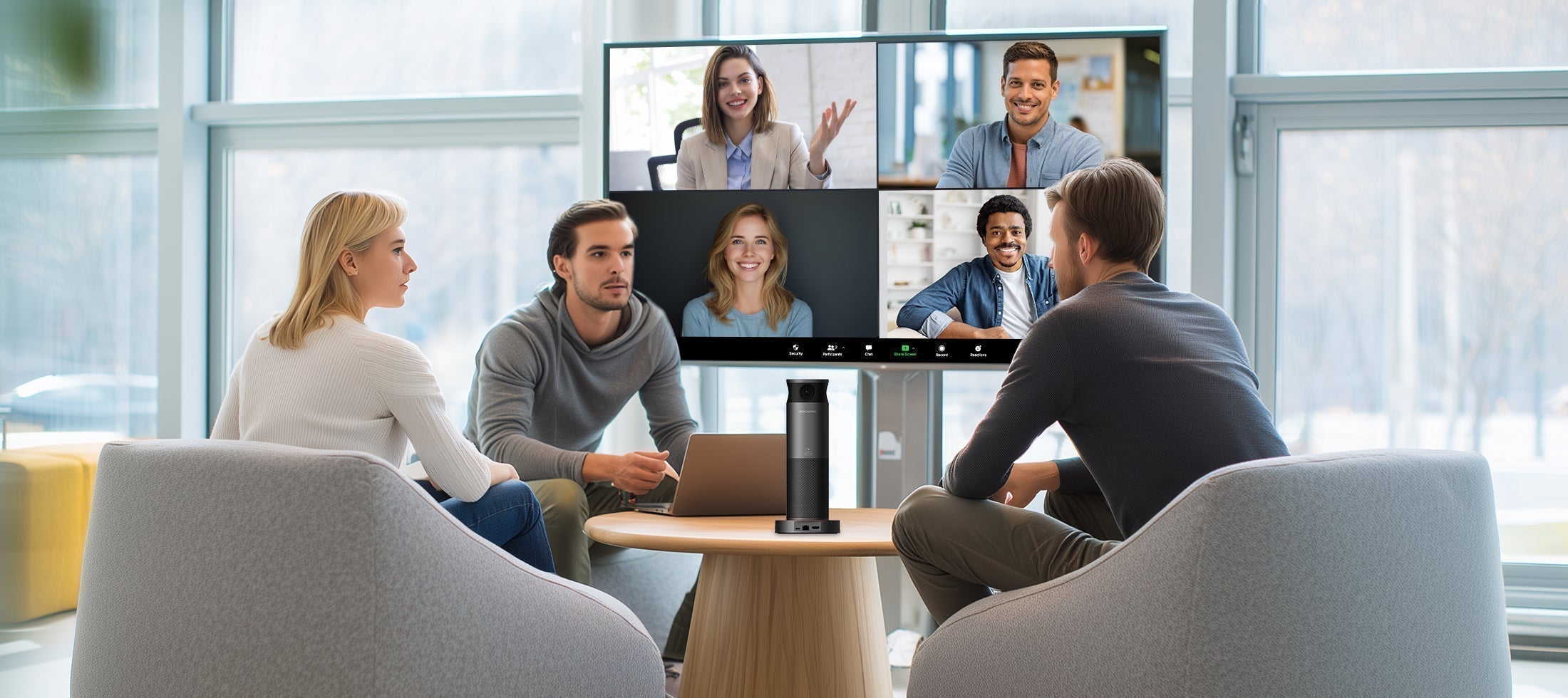
Imaginez ceci : Vous êtes dans une salle de réunion avec cinq collègues. À l’écran, trois employés à distance apparaissent comme de petits visages pixélisés et peinent à entendre qui est parler. Cela vous semble familier ? Ceci n’est pas simple désagrément mineur ; c’est la réalité quotidienne de millions de personnes dans un environnement de travail hybride.
Notre façon de nous réunir a connu un bouleversement majeur. Avant 2020, se rassembler autour d’une table de conférence était la norme. Aujourd’hui, c’est la exception. Les équipes sont réparties, et vidéo comunication n’est plus un ajout facultatif —c’est au cœur de la façon dont le travail est accompli. Mais votre technologie suit-elle le rythme ?
Aujourd’hui’s réalité semble très différente. Les équipes collaborent entre villes, pays et fuseaux horaires, et la communication vidéo est devenue l’épine dorsale de la manière dont les organisations travaillent ensemble.
Pour comprendre où se dirigent les réunions hybrides, il est utile d’examiner comment la communication au travail a évolué avant, pendant et après la pandémie de COVID-19—et pourquoi vidéo la technologie joue désormais un rôle si essentiel dans le milieu de travail moderne.
Avant la COVID-19 : le télétravail était l’exception
Avant 2020, la plupart des organisations fonctionnaient avec une traditionnel une mentalité privilégiant le bureau. Les réunions se déroulaient généralement en présentiel, et la technologie des salles de conférence était conçue principalement pour les personnes physiquement présentes dans la salle.
Vidéo coLes outils de visioconférence existaient, mais ils étaient souvent considérés comme facultatifs plutôt qu’essentiels. De nombreuses salles de réunion reposaient sur :
-
Webcams basiques
-
Caméras de conférence statiques
-
Captation audio limitée
-
Inconstante vidéo qualité
Pour les participants à distance, l’expérience pouvait être frustrations. Des angles de caméra médiocres, une vidéo de faible résolution et une visibilité limitée rendaient difficile le suivi des discussions ou l’échange avec les collègues.
Par conséquent, les employés à distance se sentaient souvent déconnectés des conversations qui avaient lieu dans la salle de réunion.
Pendant la COVID-19 : Vidéo Comunication Est devenu essentiel
La pandémie de COVID-19 a contraint les entreprises du monde entier à adopter le télétravail presque du jour au lendemain. Soudain, vidéo cola visioconférence est devenue le principal moyen pour les équipes de collaborer, de réfléchir et de prendre des décisions.
Les organisations ont rapidement adopté vidéo les plateformes de réunion et ont commencé à les utiliser pour tout, des réunions quotidiennes aux réunions réunissant toute l’entreprise.
Durant cette période, plusieurs tendances a émergé:
Vidéo les réunions sont devenues la norme.
Au lieu de conférences téléphoniques occasionnelles, vidéo les réunions sont devenues le principal format de communication.
Les équipes sont devenues plus dispersées géographiquement.
Les employés n’ont plus avaient besoin d’habiter près d’un bureau pour collaborer efficacement.
Les lacunes technologiques sont devenues évidentes.
De nombreuses organisations ont découvert que la technologie de leurs salles de réunion n’était pas conçue pour la collaboration hybride.
Traditionnel conférence les caméras peinaient à répondre aux nouvelles exigences de la collaboration à distancen. Les participants à distance devaient souvent deviner qui parlait, passaient à côté des signaux non verbaux et avaient l’impression d’être des participants de seconde zone. Ce déséquilibre a mis en évidence un besoin critique
Cette évolution exposa fait apparaître un besoin critique de meilleure vidéo comunication technology.
Après la COVID-19 : l’essor du travail hybride
Aujourd’hui, de nombreuses organisations ont adopté des modèles de travail hybrides qui combinent collaboration au bureau et à distance.
Les employés peuvent travailler depuis chez eux plusieurs jours par semaine, tout en venant au bureau pour les réunions, la collaboration d’équipe ou les séances de brainstorming.
Cependant, les réunions hybrides introduisent un nouveau défi : garantir que les participants à distance et ceux présents dans la salle bénéficient d’une expérience tout aussi stimulante.
Sans la technologie adéquate, les réunions hybrides peuvent facilement devenir déséquilibrées.
Les problèmes courants incluent :
-
Les participants à distance ont du mal à voir toutes les personnes présentes dans la salle
-
Les intervenants sortent du champ de vision de la caméra
-
Un son peu clair lorsque plusieurs personnes parlent
-
Les employés à distance se sentent exclus des discussions
Ces difficultés montrent pourquoi l’avenir des réunions hybrides dépend fortement de plus intelligentes vidéo comunication technology.
Pourquoi Vidéo La technologie est essentielle aux réunions hybrides
Pour garantir la réussite des réunions hybrides, les organisations ont besoin d’une technologie conçue spécifiquement pour une collaboration mixte, en présentiel et à distance.
Les caméras de conférence modernes intègrent désormais des fonctionnalités telles que :
Intervenant avec suivi alimenté par l’IA tracadrage
La caméra se concentre automatiquement sur la personne qui parle, aidant les participants à distance à suivre naturellement la conversation.
Visibilité à 360 degrés de la salle
Chaque participant présent dans la salle est visible, afin que personne ne soit exclu de la discussion.
Ultraen haute définition
Vidéo 4K nette vidéo garantit que les participants à distance peuvent voir les expressions faciales et le langage corporel.
Ces fonctionnalités contribuent à créer une expérience de réunion plus naturelle et inclusive.
Comment fonctionnent les caméras alimentées par l’IA Traansformation des salles de réunion
Caméras de conférence avancées aident les organisations repensent la façon dont les salles de réunion favorisent la collaboration hybride.
C’est là qu’une technologie conçue à cet effet, comme la Rocware caméra de conférence RC360 alimentée par l’IA, intervient. Elle s’attaque directement aux difficultés des réunions hybrides, trales transformant de frustrantstrarendant les échanges fluides :
-
Voyez et soyez vu: Sa Couverture de la salle à 360° élimine élimine les moments où l’on demande « vous me voyez ? », en veillant à ce que chaque participant présent dans la salle soit visible par ses collègues à distance.
-
Suivez naturellement la conversation: Intervenant avec suivi alimenté par l’IA tracadrage effectue automatiquement la mise au point sur l’intervenant actif, afin que les participants à distance ne perdent jamais le fil de la discussion.
-
Qualité professionnelle, installation simple: Avec une 4K ultra-HDtravidéo en, les expressions faciales sont d’une netteté cristalline. Et comme c’est prêt à l’emploi, votre équipe peut se concentrer sur la réunion, et non sur la configuration technique.
Le RC360 n’est pas simplement une caméra ; c’est un outil de la collaboration professionnelle qui crée une expérience véritablement équitable pour chacun.
À quoi ressembleront les réunions hybrides de demain
À mesure que le travail hybride continue d’évoluer, vidéo comunication prendra une place encore plus centradeviendra encore plus central dans la façon dont les équipes collaborent.
Plusieurs tendances façonnent déjà l’avenir des réunions professionnelles :
Une technologie de réunion plus intelligente, pilotée par l’IA
L’IA continuera d’améliorer le cadrage trasuivi, au cadrage des participants et aux analyses des réunions.
Des espaces de réunion plus flexibles
Les salles de conférence seront de plus en plus conçues spécifiquement pour la collaboration hybride.
Une plus grande attention portée à l’inclusion des participants à distance
Les organisations donnent la priorité à des expériences de réunion qui garantissent que les employés à distance restent pleinement impliqués.
La technologie de communication vidéo sera un moteur essentiel pour rendre ces changements possibles.
Créer de meilleures réunions hybrides
Le travail hybride n’est plus une solution temporaire —c’est une composante permanente du lieu de travail moderne.
Les organisations qui investissent dans les bonnes vidéo comunication outils peuvent créer des expériences de réunion qui rapprochent les équipes, quel que soit leur lieu de travail.
Le travail hybride est là pour durer, et les réunion l’expérience doit évoluer avec elle. En investissant dans des solutions intelligentes de vidéo Grâce à la technologie, les organisations peuvent créer des réunions plus inclusives, engageantes et productives, où que se situés.
Prêt pour de meilleures réunions hybrides ?
Modernisez votre salle de réunion avec une vidéo alimentée par l’IA qui permet à chacun d’être vu, entendu et pleinement impliqué.
Parlez à notre équipe : https://www.rocware.com/pages/contact-sales
Partager:
Entrez dans le futur : Le lieu de travail moderne en 2025
Pourquoi les entreprises investissent davantage dans les technologies de visioconférence en 2026